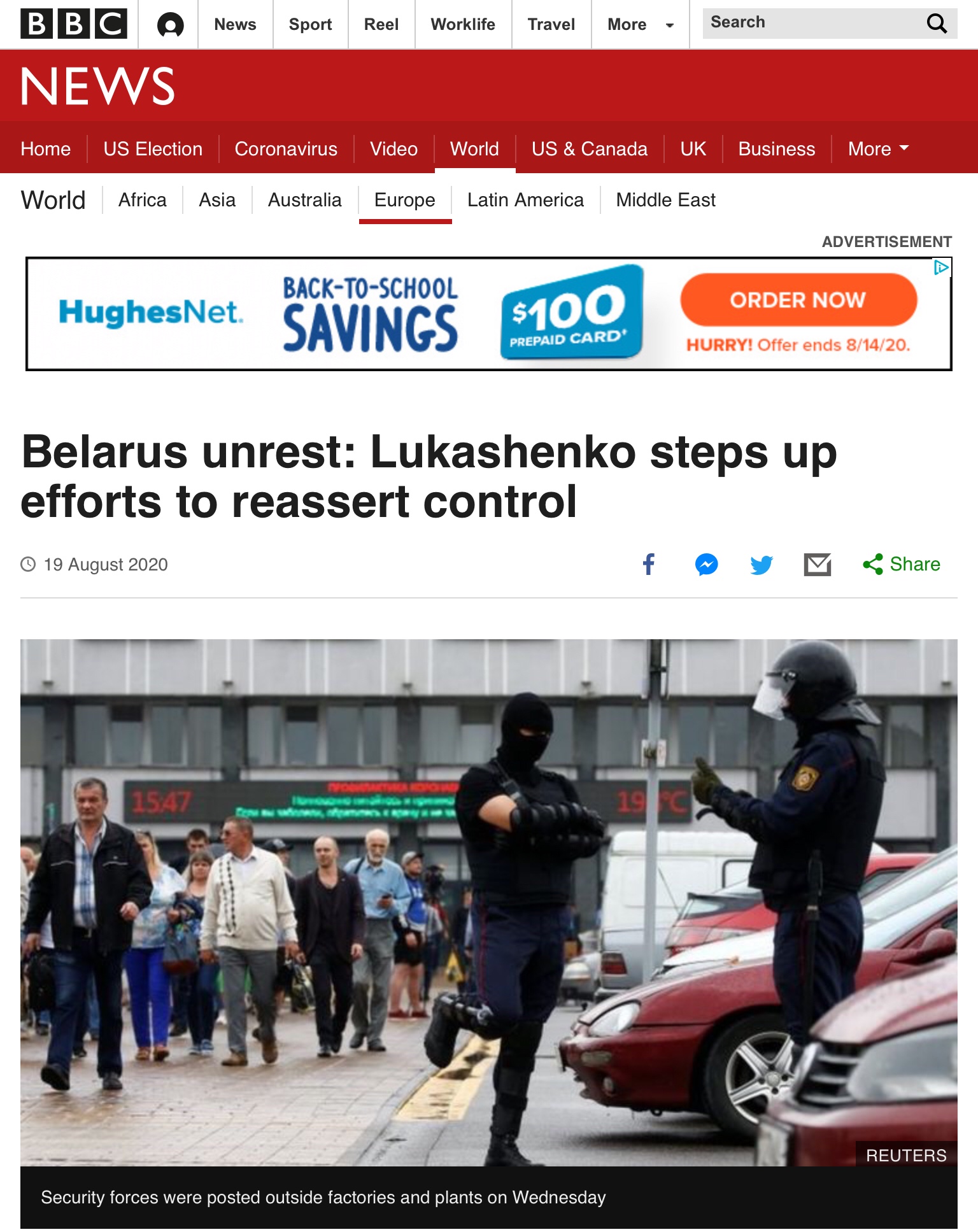
Yesterday morning whole driving across the state I listened to BBC news on Michigan Radio. The report that I heard contained essentially the same information that you can read online today at the BBC website or in the BBC app. If you’re not up on events in Belarus, I encourage you to click that linkContinue reading “My American reflections on the news from Belarus”
Author Archives: James Ernest
Faith, Fanaticism, and Trumpism
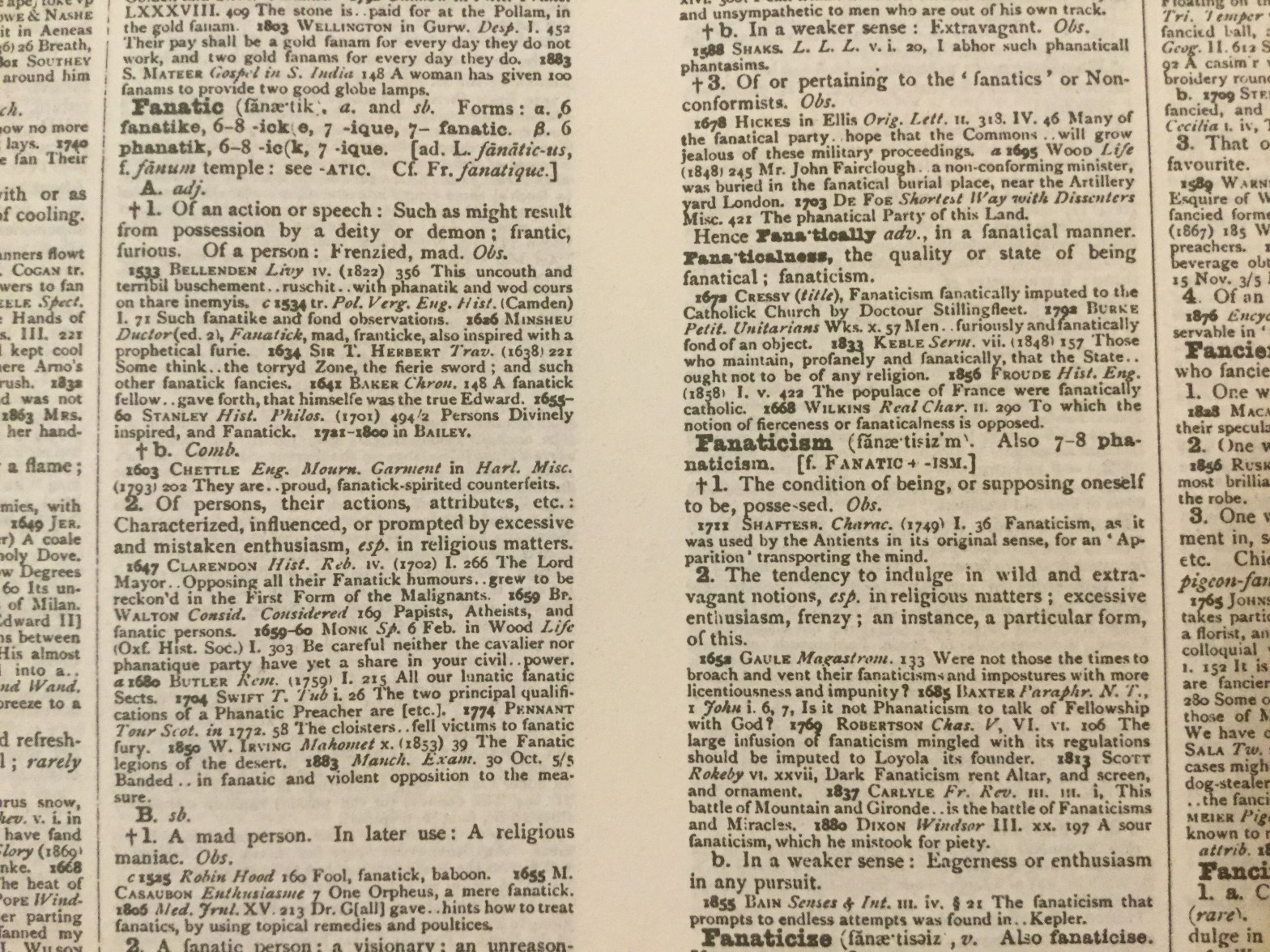
What to make of the phenomenon of professing Christians who either give their support to Donald Trump or withhold their support from Joe Biden, the only other candidate standing between Trump and reelection, because they find Biden to be insufficiently Christian? These people are to be differentiated from the core Trumpist. The core Trumpist isContinue reading “Faith, Fanaticism, and Trumpism”
How not to evangelize (usually)

Evangelism is one of the most awkward topics. Christians, non-Christians, and semi-Christians all have widely varying views. My own history with the word is complicated, but in my view the word and the practice are essential elements of Christian life. I don’t know how it could be possible to be a Christian and not beContinue reading “How not to evangelize (usually)”
At the lowest point: hope
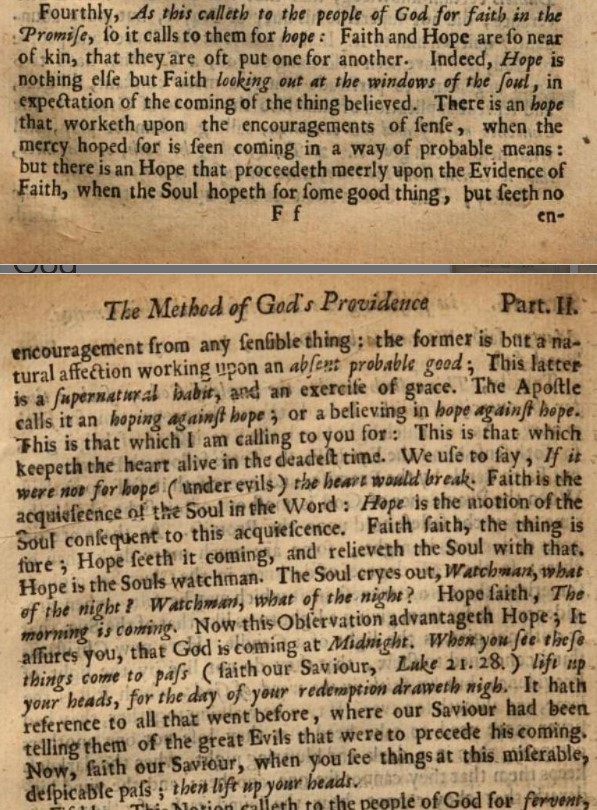
This year 2020 is a low year in the life of American Christians in so many ways. I will not enumerate them here, because we all know it, but we have different perspectives on how bad things are, and on what exactly is making them bad, and by enumerating them I would necessarily convey myContinue reading “At the lowest point: hope”
How to think and pray about wicked rulers (Psalm 58)
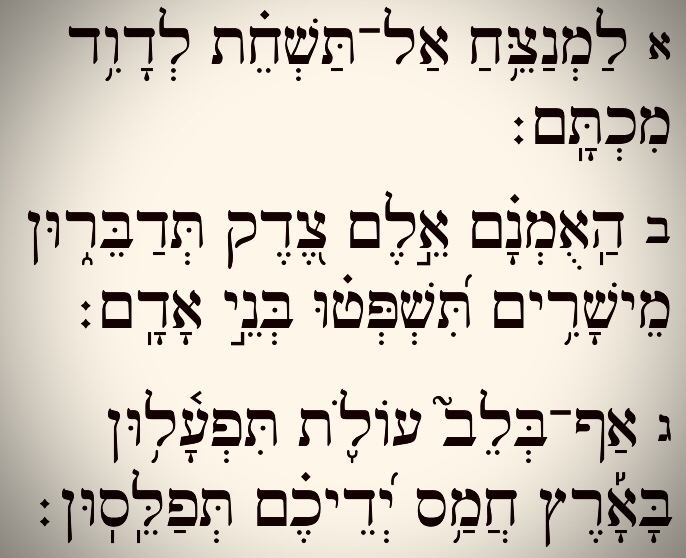
Psalm 58, like so many psalms, complains about human injustice but has a slightly different way of presenting the problem. Here the issue is cast as a drama in which the human actors are adam, the people, and elim or elohim, the “gods.” The narrator and suppliant—the psalmist—speaks on behalf of the people to elohim,Continue reading “How to think and pray about wicked rulers (Psalm 58)”
Editor James Ernest (Eerdmans): The Editors behind the Great Books in New Testament Studies (Crux Sola)

(This post, which consists of my responses to questions from Nijay Gupta, originally appeared on his Crux Sola blog at Patheos on August 4, 2020.) We continue with the second profile in our new series: The Editors behind the Great Books in New Testament studies. I am pleased to introduce you to Dr. James ErnestContinue reading “Editor James Ernest (Eerdmans): The Editors behind the Great Books in New Testament Studies (Crux Sola)”
Striking a pose: Psalm 18 and positional righteousness

Picking up from yesterday: what has gone wrong with us—members and heirs of certain American Christian traditions—that what we believe and do diverges so starkly from the ways of the one we claim to follow? I said yesterday it’s all about truth. It’s also all about righteousness. The two are closely related. With regard toContinue reading “Striking a pose: Psalm 18 and positional righteousness”
Our crisis of truth in society and church
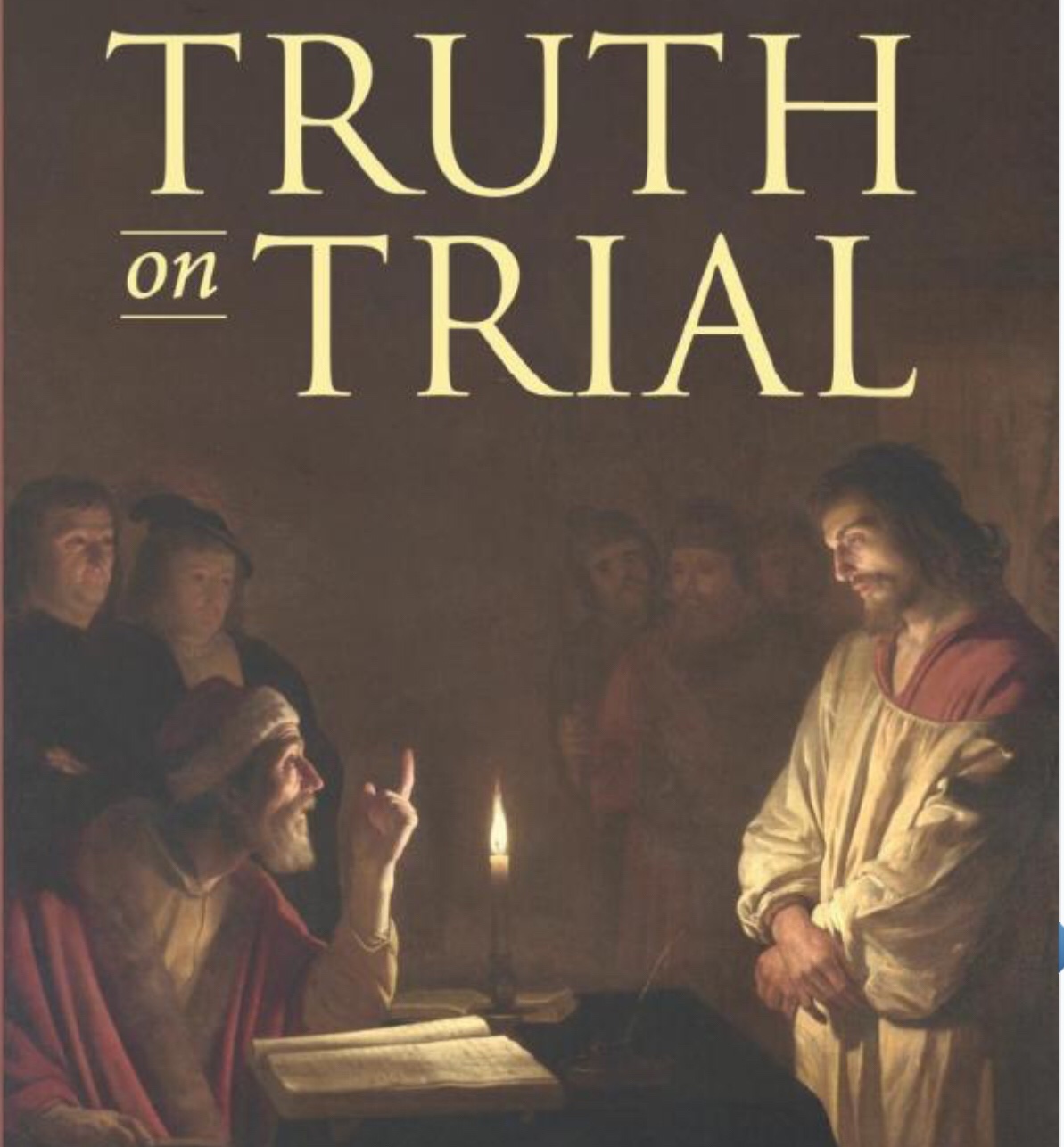
As I have said before, events around us in American society over the last several years have completely flummoxed me. I am left wondering whether and how we know what we think we know. How does anyone know anything? Is it possible to know anything? Anyone who wants to answer that last question affirmatively isContinue reading “Our crisis of truth in society and church”
I love you, Lord?
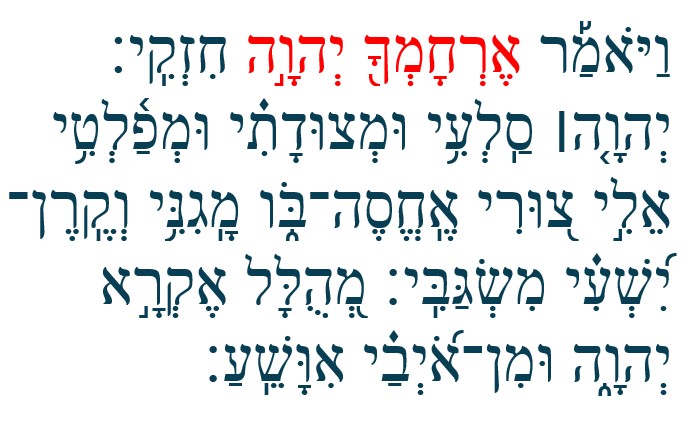
Has it ever struck you that there is only one verse in the whole Bible, both testaments, that says “I love you” and has God as the object of the verb “love”? You might think of the restoration of Peter, in John 21, where Jesus goads Peter three times into saying “I love you” toContinue reading “I love you, Lord?”
Psalm 1 again: verses 1 through 3

Blessed is the man ESV retains the traditional masculine singular because unlike pluralized rewordings it preserves the possibility of figural reading as referring to Jesus Christ as the ideal human who fits the description given. And I guess somehow “Blessed is the human” or “the person” doesn’t quite have the same poetic resonance. Some ofContinue reading “Psalm 1 again: verses 1 through 3”
 Verba Sparsa